
The Best High-Protein Foods for Fitness
Protein is one of the most important nutrients for anyone pursuing a healthier lifestyle. Whether your goal is building muscle, losing weight, or improving workout performance, eating enough protein can make a significant difference. A balanced High Protein Diet Dubai supports muscle recovery, helps maintain lean body mass, and provides the energy needed for consistent training.
At Face Off Fitness, we encourage our members to combine effective workouts with smart nutrition. Choosing high-quality protein sources is one of the simplest ways to improve your fitness results.
Why Is Protein Important?
Protein is made up of amino acids, which are the building blocks of muscles, tissues, skin, and enzymes. After a workout, your muscles need protein to repair and grow stronger.
A protein-rich diet also helps:
- Support muscle growth
- Improve workout recovery
- Keep you feeling full for longer
- Maintain lean muscle during weight loss
- Support healthy metabolism
Whether you are a beginner or an experienced athlete, protein should be an essential part of your daily meals.
Best High-Protein Foods for Fitness
1. Chicken Breast
Chicken breast is one of the most popular protein sources among fitness enthusiasts. It is lean, versatile, and easy to prepare.
Benefits:
- High in protein
- Low in fat
- Supports muscle growth
- Ideal for meal preparation
2. Eggs
Eggs provide high-quality protein along with essential vitamins and minerals. They are perfect for breakfast, snacks, or post-workout meals.
Benefits:
- Complete protein source
- Rich in vitamins B12 and D
- Supports muscle recovery
3. Greek Yogurt
Greek yogurt contains more protein than regular yogurt and also provides probiotics that support digestive health.
Benefits:
- High in protein
- Good source of calcium
- Supports gut health
4. Fish
Fish such as salmon, tuna, and sardines are excellent protein sources. They also provide healthy omega-3 fatty acids that support heart and joint health.
Benefits:
- High-quality protein
- Rich in healthy fats
- Supports recovery
5. Lean Beef
Lean beef provides protein, iron, zinc, and vitamin B12, making it an excellent choice for strength training and muscle development.
Benefits:
- Supports muscle growth
- Rich in iron
- Helps improve strength
6. Cottage Cheese
Cottage cheese is a slow-digesting protein source that can help support muscle recovery, especially when eaten before bedtime.
Benefits:
- High in casein protein
- Supports overnight muscle repair
- Low in carbohydrates
7. Lentils
For those following a vegetarian diet, lentils provide a valuable source of plant-based protein and dietary fiber.
Benefits:
- High in protein
- Rich in fiber
- Supports digestive health
8. Chickpeas
Chickpeas are another excellent plant-based protein option that works well in salads, curries, and healthy snacks.
Benefits:
- High in protein
- Rich in fiber
- Supports energy levels
9. Tofu
Tofu is made from soybeans and is an excellent protein source for vegetarians and vegans.
Benefits:
- Complete plant protein
- Low in saturated fat
- Versatile for many recipes
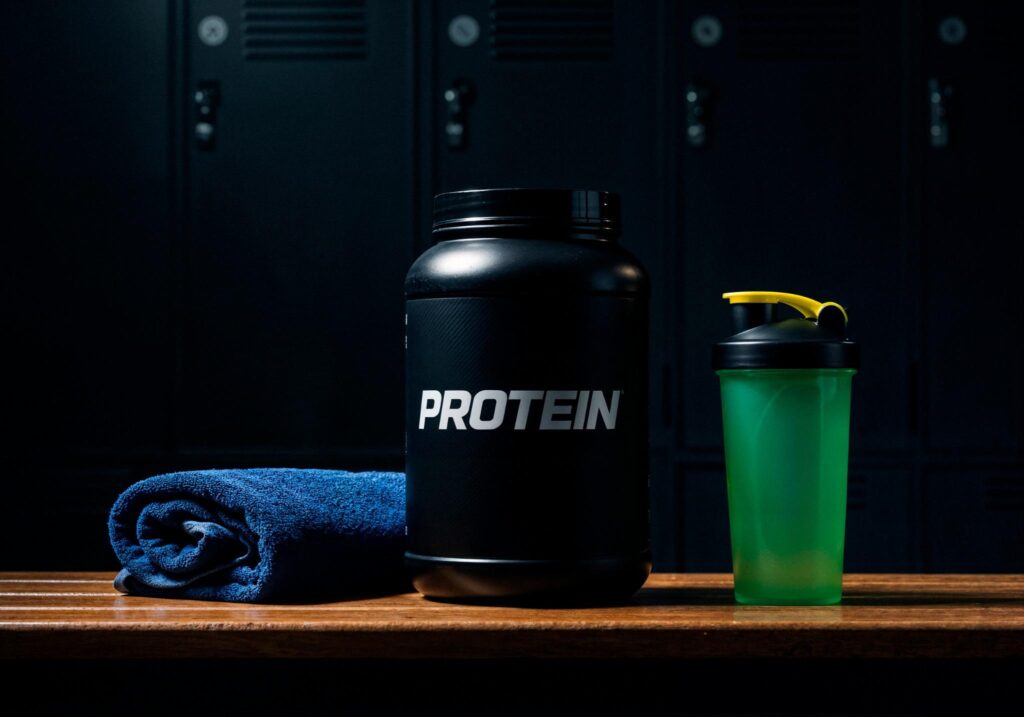
10. Protein Shakes
Protein shakes can be a convenient option after workouts when whole food is not immediately available.
Benefits:
- Quick recovery
- Easy to prepare
- Supports daily protein intake
How Much Protein Do You Need?
Protein requirements vary depending on your age, activity level, and fitness goals.
As a general guide:
- Sedentary adults: 0.8 g of protein per kilogram of body weight
- Active individuals: 1.2–1.7 g/kg
- Muscle-building programs: 1.6–2.2 g/kg
A personal trainer or nutrition professional can help determine the right amount for your needs.
Tips for Adding More Protein to Your Diet
- Include a protein source in every meal.
- Prepare healthy snacks such as boiled eggs or Greek yogurt.
- Choose lean meats over processed foods.
- Add beans or lentils to soups and salads.
- Drink a protein shake after intense workouts if needed.
- Plan meals in advance to maintain consistency.
Combine Protein with Exercise
Nutrition and exercise work best together. Strength training creates the stimulus for muscle growth, while protein provides the nutrients your body needs to recover.
At Face Off Fitness, our trainers help members combine effective workout programs with healthy eating habits for better long-term results.
